

Planning a sports trip to Switzerland, seasons, altitude and getting around
When the mountain courses open, when the tour comes to Gstaad, Crans-Montana and Basel, and how to travel with clubs and rackets by train. A calm plan for golf, tennis and padel.
Switzerland rewards a little planning more than most destinations. The mountain season is short, the big events fall on fixed weeks, and the country is small enough that a train can take you from a lake to a high valley in an afternoon. Get the order right, season first, base second and tee times or courts third, and most of the rest falls into place.
Start with the month
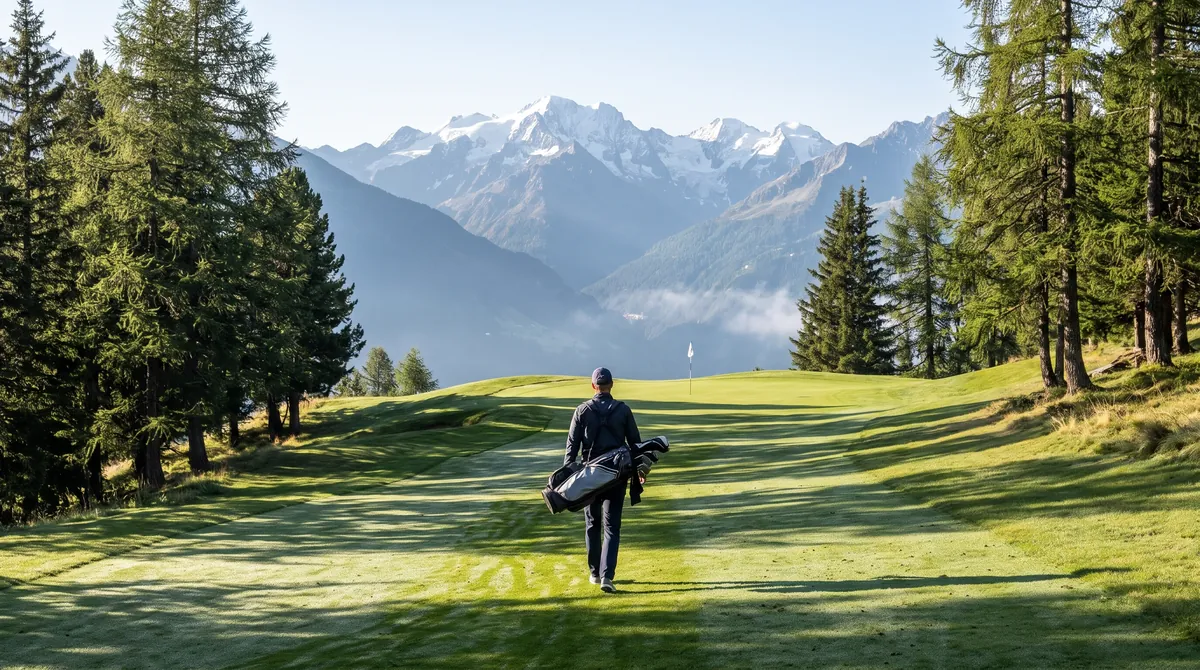
Altitude decides almost everything. The high courses and resorts of the Engadine and the Valais are at their best from June to September, with May and October as shoulder months when the weather allows, and the Engadine courses publish a season from May to October. Ticino on the south side of the Alps and the regions around the big lakes start earlier in spring and play later into autumn.
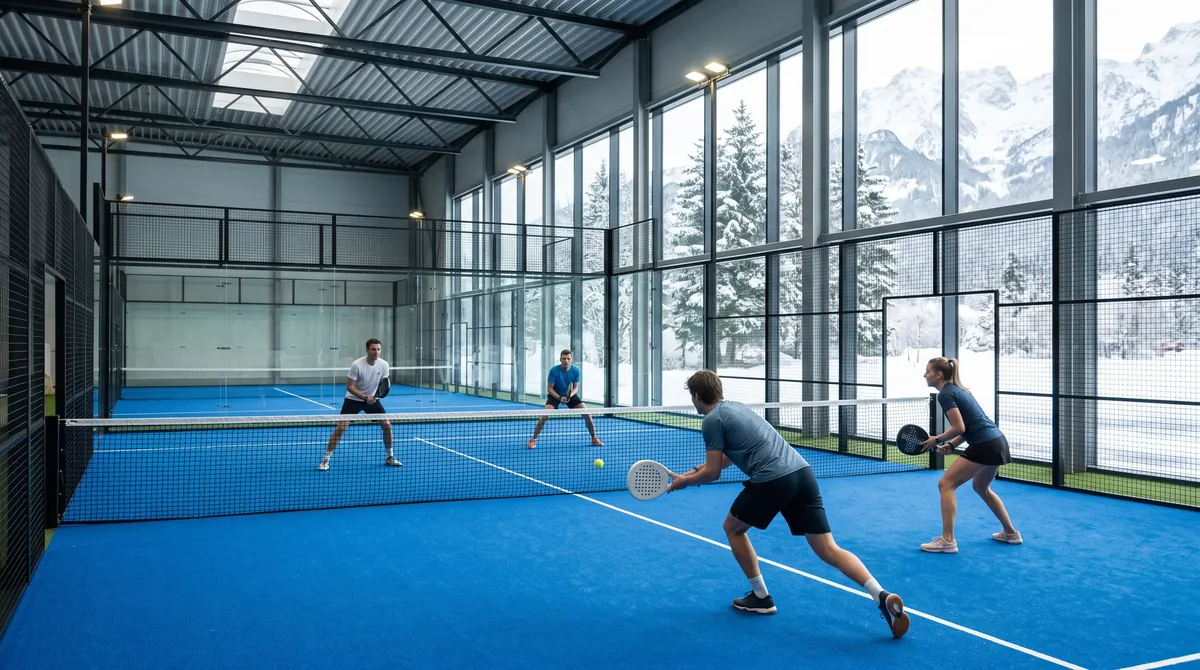
Winter belongs to skiing in the mountains, and golf there pauses under the snow. Racket players have it easier: indoor tennis and padel run all year in the cities, so a winter city break can still include a game or two.
Daylight helps in high summer. Long June and July evenings leave time for a round after an afternoon excursion, while in October the days are noticeably shorter and a late may not leave enough light for all 18 holes.
The Season Planner on our Switzerland page shows the Engadine, the Valais and Ticino month by month, next to the other regions we cover, so you can match your holiday window to the right part of the country.
Planning around the big events
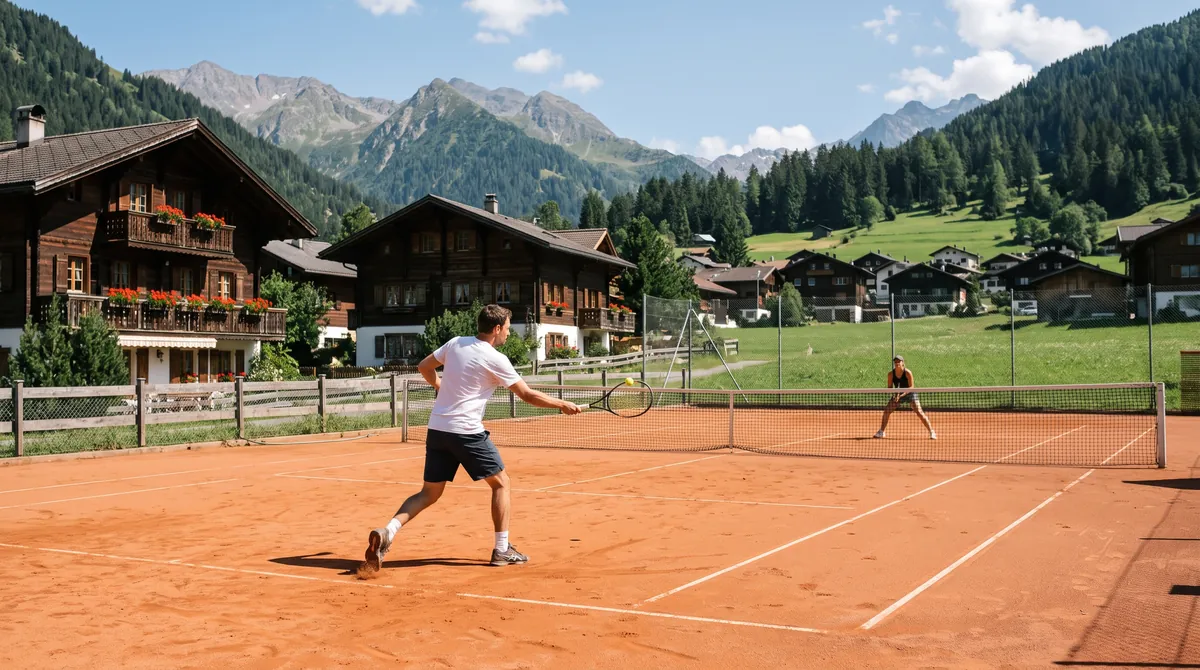
Three professional events shape the Swiss sports year. The Swiss Open Gstaad brings the men’s tour to clay at 1,050 metres in July, the European Masters comes to Crans-Montana in early September, and the Swiss Indoors take over the St. Jakobshalle in Basel every October.
Watching one of them makes a fine centrepiece for a trip, but the weeks themselves are busy. Accommodation in the host towns fills early, and courses and courts nearby can be harder to book. If you would rather play than watch, travel a week before or after, when the same places are much calmer.
Get the order right, season first, base second and tee times or courts third.
Choosing a base
Switzerland is compact, but mountain roads and long valleys make distances feel greater than the map suggests. One base per region works best: a high valley for a week of mountain golf and walking, a lake town for spring or autumn, or a city for indoor tennis and padel with a cultural day in between.
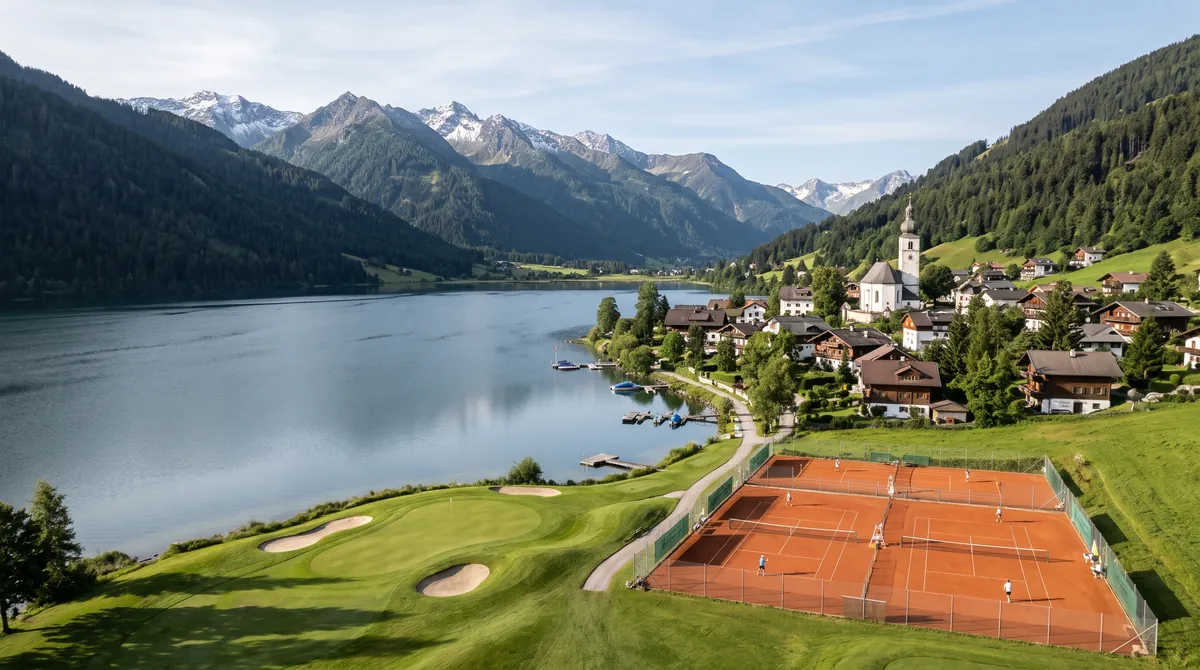
Mixed groups are easy to please. A resort with a golf course nearby, tennis courts in the village and a lake or a walking trail on the doorstep keeps golfers, racket players and non-players happy, and a rest day in the middle of the week gives everyone a shared plan.
Public transport reaches even small mountain villages, so a car is optional on many trips. If you do plan to drive, remember that some high passes close in winter and that Swiss motorways require a vignette, the annual motorway sticker, which is also available in electronic form.
Travelling by train with clubs and rackets
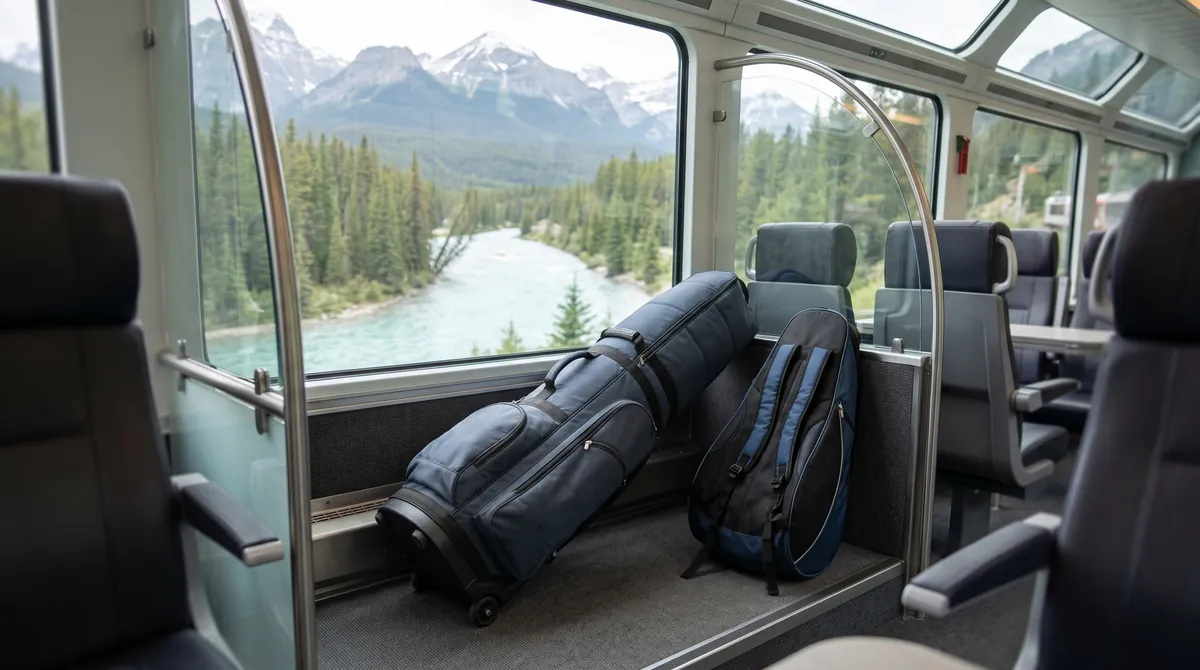
Swiss trains are one of the pleasures of the trip, and rackets travel easily in a bag on the luggage rack. A golf bag is bulkier. The railways offer a luggage service between stations: you hand in your bag at one station and collect it at your destination station the day after tomorrow.
The service needs a valid ticket for the whole route or an annual travelcard, and items may weigh up to 23 kilograms. Bicycles and ski equipment are listed as accepted special items, but golf bags are not mentioned separately, so ask at the station before you rely on it. The alternative is to keep the bag with you on the train, which is far easier outside the rush hours.
The main airports are Zurich and Geneva, and Basel is served by the EuroAirport, which lies on French soil just outside the city. Switzerland is not part of the European Union, but it belongs to the , and it uses the Swiss franc.
Handicaps, bookings and the last details
Golfers should carry proof of their , as many Swiss courses ask for it, and book each tee time early for July and August. On an unfamiliar course our Handicap Calculator turns the Course Rating and Slope Rating of the tees into your Course Handicap. For tennis and padel, book courts a few days ahead and ask about rental rackets and the shoe rules. Tennis and padel players rarely need proof of their level, but it helps to say how long you have played when you ask a club for a partner or a group.
- Proof of handicap and a list of preferred tee times
- A rail ticket that covers the luggage service, if you use it
- Layers for cool mornings and warm afternoons
- Sunscreen and sunglasses for the stronger mountain sun
- A plan for a rest day, with a walk, a lake or a city
Switzerland is not a place to rush. Fewer rounds, longer views and a train ride through the mountains between two bases make a better trip than a crowded schedule, and they leave time for the moments between the games.
Terms in this article
- Shoulder month
- A month at the edge of the main season, often quieter, with weather that can go either way.
- Schengen area
- The group of European countries without regular border checks between them, which includes Switzerland.
- Handicap Index
- Your measure of playing ability under the World Handicap System, recognised by courses in other countries.
- Tee time
- The booked starting slot for your group on the first tee.
Questions readers ask
When is the best time for a golf trip to Switzerland?
For the mountain courses, June to September is the most reliable window, with May and October as shoulder months. The Engadine courses publish a season from May to October. If you can only travel in spring or autumn, choose Ticino or a base near one of the big lakes, where courses sit lower and the season runs longer. Check opening dates before booking.
Can I send my golf bag by train in Switzerland?
The railways offer a luggage service between stations: you hand in your bag and collect it at your destination station the day after tomorrow. You need a valid ticket for the whole route or an annual travelcard, and items may weigh up to 23 kilograms. Golf bags are not listed separately, so ask at the station before you rely on the service.
Is Switzerland good for a mixed group of golfers and tennis players?
Yes. Many resorts in the mountains and around the lakes have a golf course nearby, tennis courts in the village and walking trails on the doorstep, so golfers, racket players and non-players can all find their day. Plan one base per region, keep a rest day in the middle of the week and book courses and courts early in high summer.