


Tennis scoring explained, love, deuce, advantage and the tiebreak
Love, 15, 30, 40, deuce and the tiebreak. A calm walk through how tennis is counted, from the first point of a game to the deciding set at a major.
Try “golden point”, “slope rating”, “clay” or “grip size”.

Section
Love, deuce and tiebreaks, clay against grass, a serve you can trust and where to stand in doubles.
Tennis is a lifelong game with an old scoring system and three very different surfaces. Whether you are returning after years away or playing your first club doubles, these pieces explain how the score works, how the court changes the ball, how to build a reliable serve and how to move as a pair.
Love, 15, 30, 40, deuce and the tiebreak. A calm walk through how tennis is counted, from the first point of a game to the deciding set at a major.
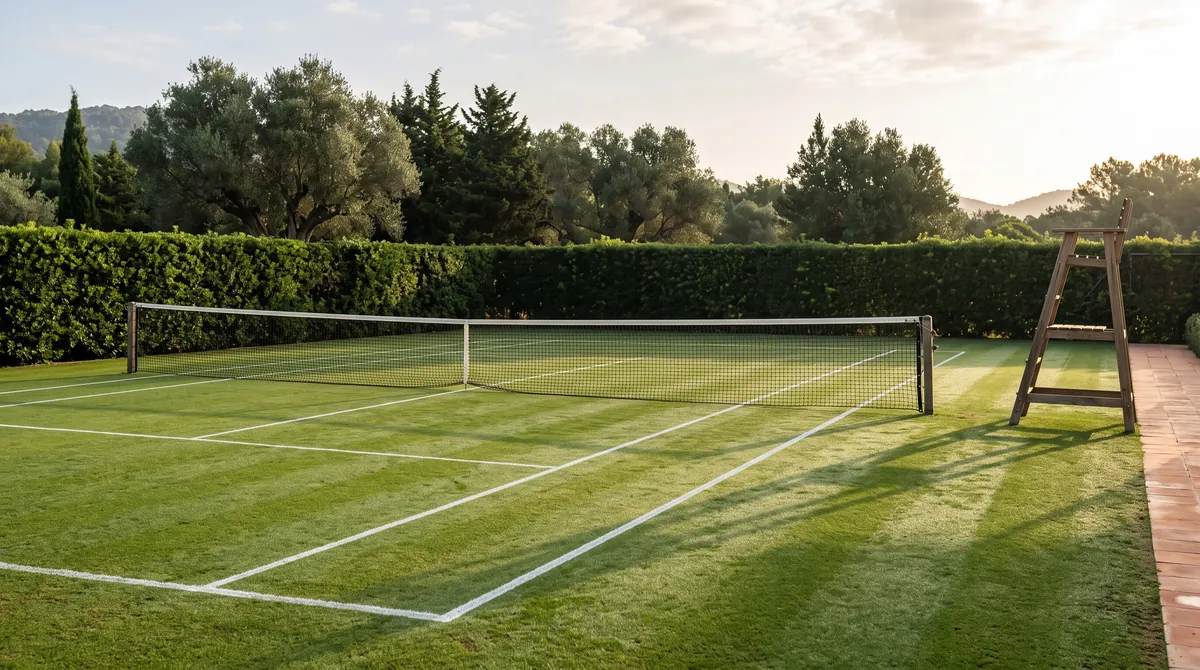
The same stroke behaves differently on brick dust, ryegrass and acrylic. How each surface plays, which shoes it needs and how to adjust your game and your feet.
The serve is the one shot you control completely. Build it step by step, from the continental grip and a steady toss to a second serve you can trust at 30-40.
Good doubles is mostly geometry and conversation. Where each of the four players should stand, how to move as a pair, and drills that make club doubles click.
Try the tool
Keep score in tennis or padel: deuce or golden point, tiebreaks and match tiebreaks, tap by tap.
More to explore