

Padel or tennis, what really changes when you switch courts
Two racket games, one net and very different habits. A fair comparison of court, kit, serve and learning curve, plus what tennis players keep and what they must unlearn.
Padel and tennis share a net, a yellow ball and the familiar 15, 30, 40 scoring, so it is tempting to think of padel as a smaller version of tennis. Step onto a padel court, though, and you soon notice how different the two games feel. Neither is better. They simply ask different things of you, and knowing what changes makes the switch, in either direction, far more enjoyable.
Court, enclosure and format
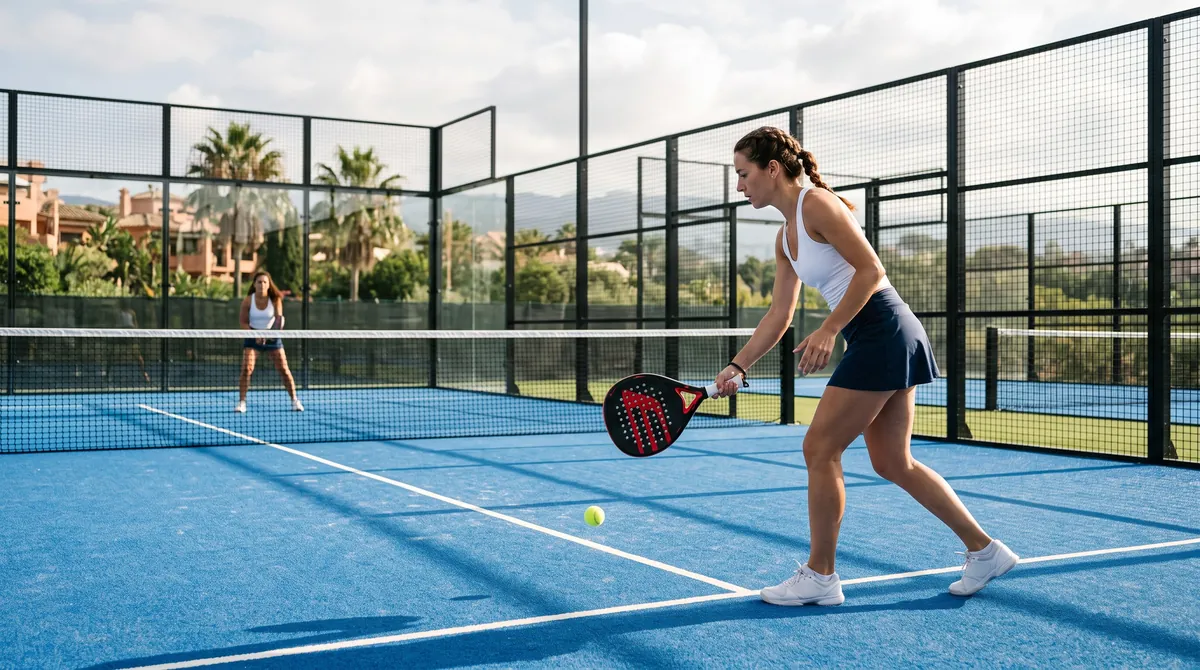
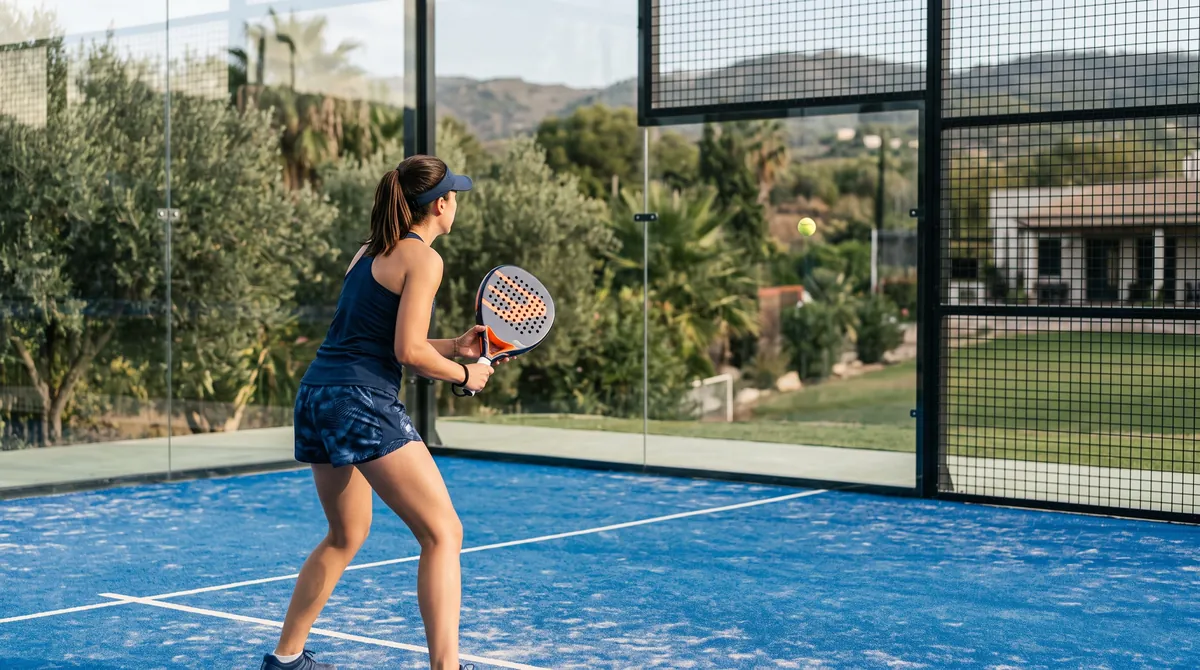
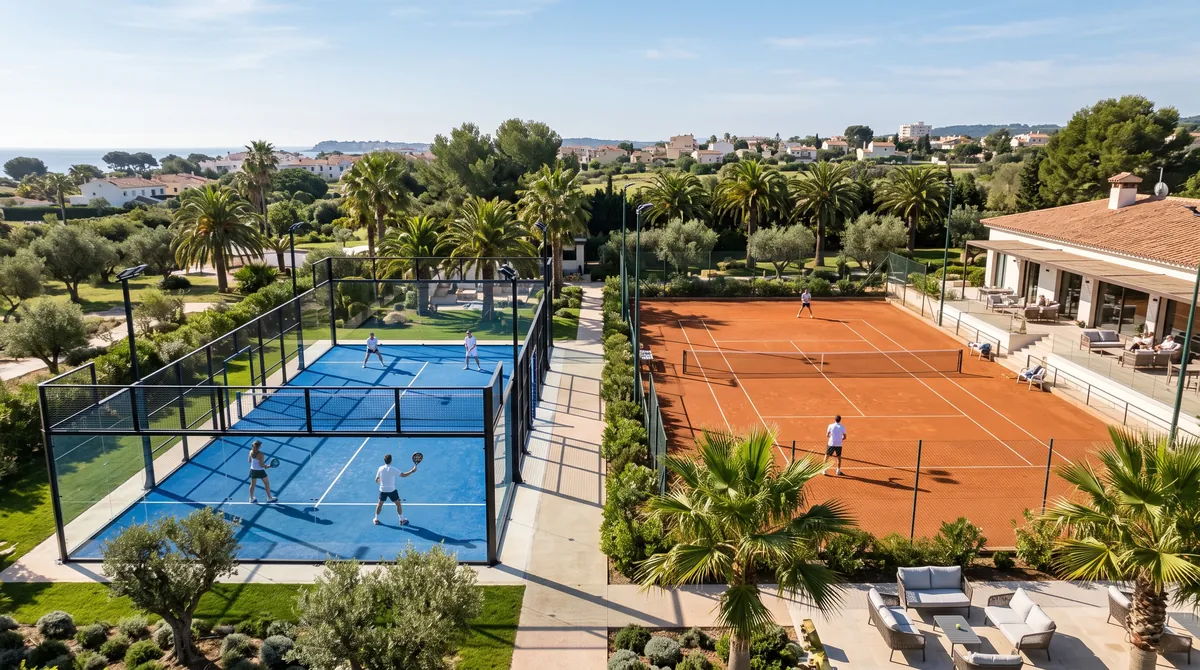
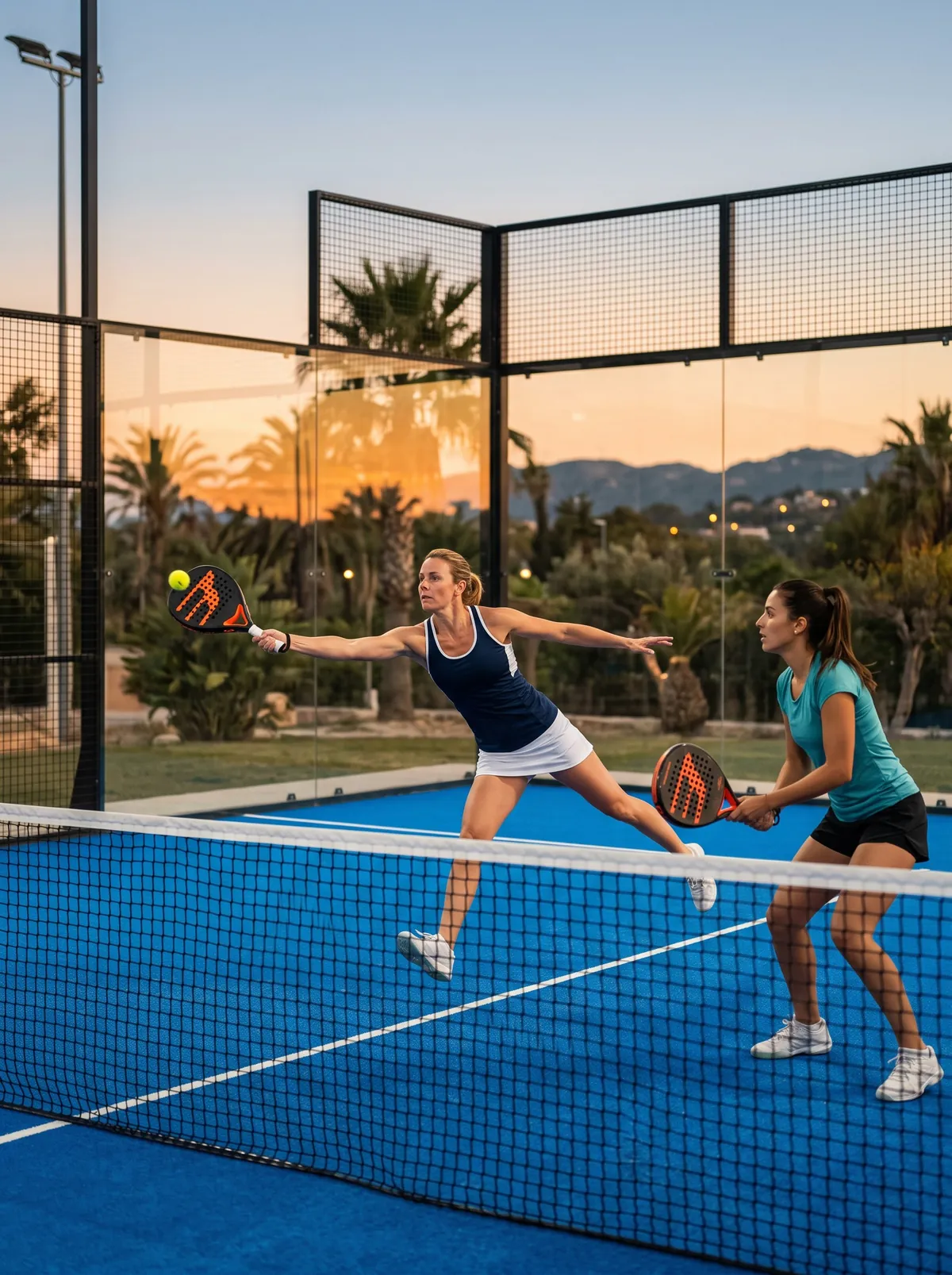
A tennis court is 23.77 metres long, 8.23 metres wide for singles and 10.97 metres wide for doubles, and it is open: once the ball passes you, the point is usually over. A padel court is shorter at 20 by 10 metres and fully enclosed by glass and mesh, which keeps the ball in play after it has passed you.
The format differs too. Tennis is played as singles or doubles. Padel is a doubles game, written in its rules for two pairs, so you will nearly always share the court with three other players. That has a big effect on both the tactics and the atmosphere.
Serve, racket and ball
The serve is the clearest difference. In tennis it is usually hit overhead and can win points on its own. In padel it is an : you bounce the ball behind the service line and strike it at or below waist height. A good padel serve is about placement and consistency rather than speed, which takes much of the pressure out of the start of each point.
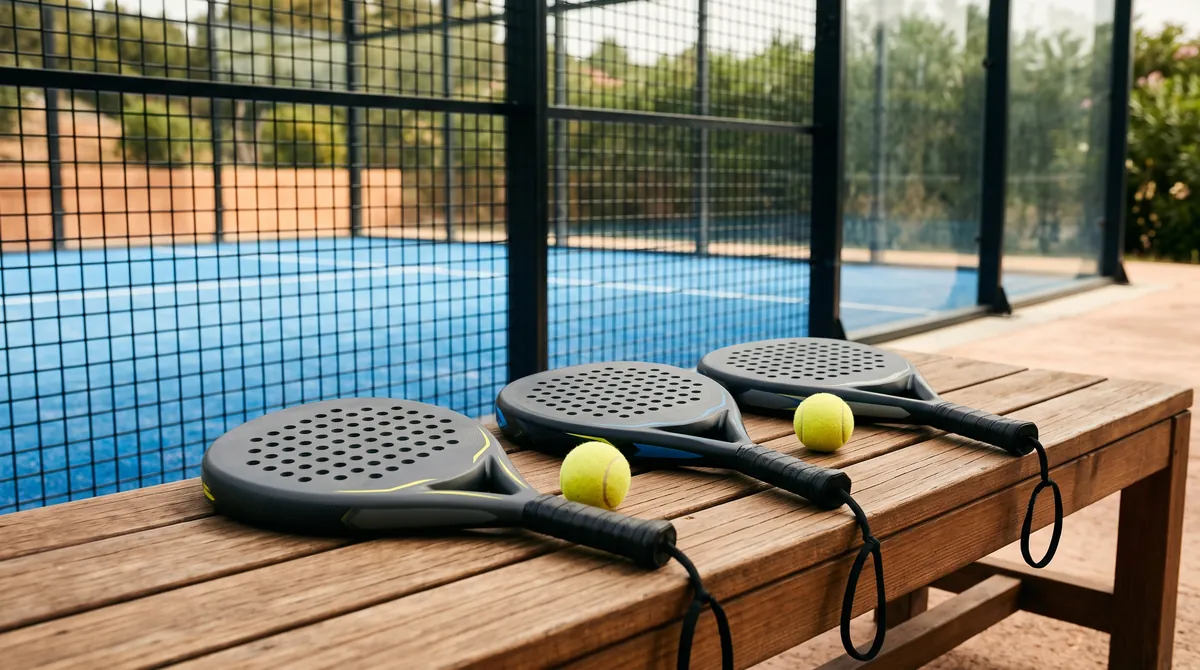
The rackets are fundamentally different objects. A padel racket is solid, perforated with holes and no longer than 45.5 centimetres, with a foam core instead of strings. A tennis racket is longer and strung, and the string bed gives far more power and spin when you swing fully. The shorter padel racket rewards compact swings and soft hands at the net.
The balls look almost identical but are not. A padel ball is slightly smaller than a tennis ball and has lower internal pressure, so it travels a little slower. In a smaller, enclosed court that slower ball gives everyone more time to react.
Learning curve and the social side
Padel is usually quicker to enjoy. With an underhand serve, a smaller court and walls that keep the ball alive, most new players can share rallies in their first session. Tennis takes longer: the open court, the overhead serve and the full swings mean many beginners spend weeks building the consistency needed for a proper rally.
That does not make padel easy to master. Reading the walls, choosing when to lob and working as a pair take years to refine, just as the tennis serve and groundstrokes do. The difference lies in how soon the game becomes fun.
The social side is a real part of padel’s appeal. Four players on a compact court can talk between points, mixed levels can still enjoy a game, and a match is easy to organise among friends. Tennis offers that in doubles, and singles brings its own appeal: a one-to-one contest that tests your fitness and your nerve.
What tennis players keep and what they must unlearn
Tennis players usually progress fast in padel, because a lot transfers directly. Good volleys are gold at the padel net, and the , the small hop that prepares you to move as your opponent strikes, is just as useful. Reading spin, anticipating the opponent and understanding doubles positioning all carry over.
Some habits need to go. Big, full swings send the ball off the opponents’ glass and straight back to them, or out of the court. The instinct to hit everything before it passes you clashes with the padel principle of letting the ball come off your own glass. And trying to blast winners from the back of the court tends to lose points that a patient lob would have won.
- Keep: volleys, the split step, footwork, reading spin and doubles tactics.
- Adapt: shorten your swing and use the for more of your shots.
- Unlearn: hitting hard through the back of the court and attacking every ball early.
- Learn new: playing off the glass, the lob to win the net and the controlled overhead.
Neither is better. They simply ask different things of you.
Body, kit and which game suits you
Both games load the shoulders, elbows, knees, calves and ankles. Padel involves many short sprints, turns and low positions in a small space, while tennis asks for longer runs and more powerful serves. In either case, a short dynamic warm-up, a gradual increase in playing time and shoes made for the surface go a long way. If pain persists, see a doctor or a physiotherapist rather than playing through it.
Shoes deserve a mention. Padel courts are often artificial grass filled with sand, and padel shoes usually have soles designed for that surface. Tennis shoes are built for clay, grass or hard courts, so check that yours suit the court you play on.
Plenty of people play both and enjoy the contrast. If you are still deciding where to start, our Sport Match quiz helps you work out which of golf, padel and tennis may suit you best.
Terms in this article
- Underhand serve
- A serve struck below waist height after a bounce, compulsory in padel.
- Split step
- A small hop made as the opponent strikes the ball, which prepares you to move quickly in any direction.
- Continental grip
- A grip with the hand placed as if holding a hammer, used for volleys, serves and many padel shots.
- Volley
- A shot played before the ball bounces, usually close to the net.
Questions readers ask
Is padel easier than tennis?
Padel is usually easier to start. The underhand serve, the smaller court and the walls let most beginners enjoy rallies in their first session, while tennis often needs weeks of practice before the ball stays in play. Mastering padel is another matter: reading the walls, lobbing well and working as a pair take years, just as tennis technique does.
Can I play padel and tennis at the same time?
Yes, and many players do. The games share footwork, volleys and tactical ideas, so each can help the other. The main adjustment is the swing: keep it compact on the padel court and full on the tennis court. Give yourself a few minutes of warm-up on each surface to let your timing settle before you play points.