

Recovery after a round or a match, the simple habits that work
No gadgets, no powders. Cooling down, drinking water, a proper meal, good sleep and an easy next day do most of the work, and planning your week does the rest.
The match is over, the card is signed, and the body has done its part. What you do in the next twenty four hours decides how you feel at the next game. Recovery does not need special kit or expensive habits. For healthy adults who play golf, padel or tennis, a handful of ordinary routines does most of the work, and they are easy to keep.
Cool down before you leave
Sitting straight down in the car after a hard match is the most common habit, and the least helpful. Take five to ten minutes for a first. Walk easily or hit a few gentle balls so your breathing and heart rate settle gradually. Then hold some light stretches for the calves, hips, chest and forearms, around twenty to thirty seconds each, without forcing anything.
On cold or wet days, change out of damp clothes before the drive home. It sounds trivial, but staying warm makes the evening far more comfortable and helps you avoid that stiff, chilled feeling the next morning.

Drink and eat like a sensible adult
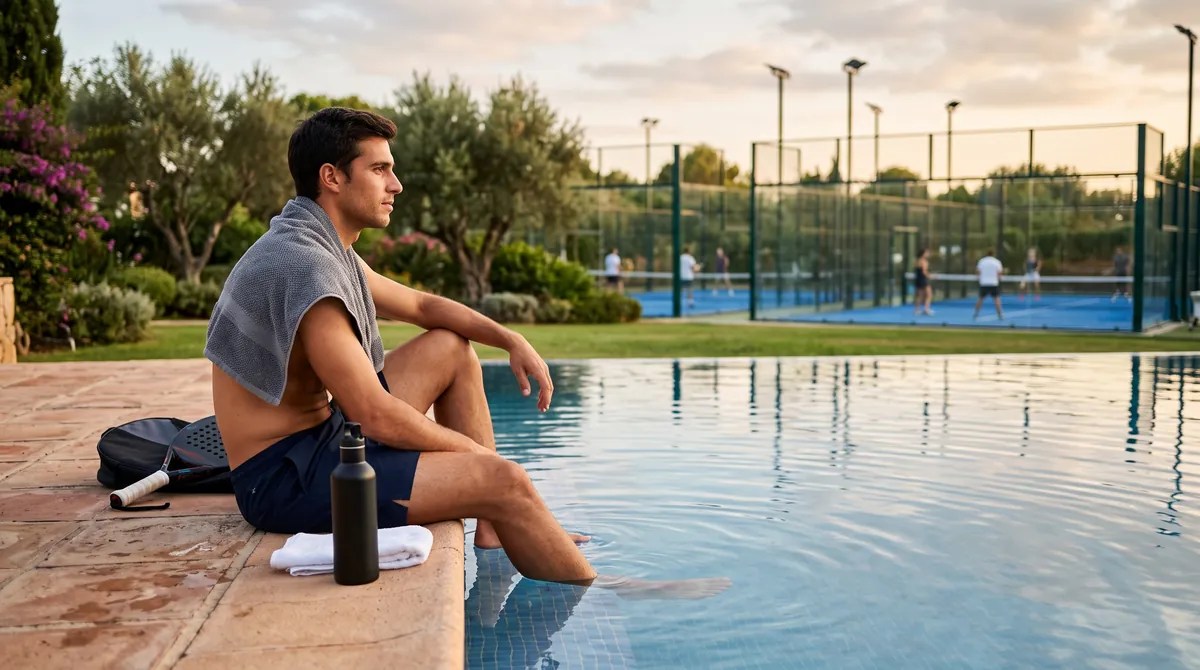
Start with water. Sip it during play and keep drinking afterwards, more in the heat or after a long round in the sun. A simple rough guide is the colour of your urine: pale straw suggests you are drinking enough, darker means you need more. Normal meals contain the salt you lose in sweat, so most recreational players need nothing more than water and food.
Within a few hours of finishing, eat a balanced meal with protein and carbohydrates, plus vegetables or fruit. Protein comes from foods such as fish, eggs, meat, dairy, beans, lentils or tofu. Carbohydrates refill the energy you used, from bread, rice, pasta, potatoes or grains. The meal you would cook on any good day is exactly right; there is no need for anything special.
If a drink at the bar is part of your club ritual, enjoy it, and have a glass of water alongside.
Sleep, the main recovery tool
If you only change one habit, make it sleep. It is when the body does much of its repair work, and nothing you can buy replaces it. Sleep experts generally recommend at least seven hours a night for adults, and active people benefit from protecting that time.
Evening matches can make it hard to switch off. Give yourself an hour to wind down, keep screens away from the pillow, and keep the bedroom cool, dark and quiet. Going to bed and getting up at roughly the same time each day helps more than an occasional long lie in.
If you only change one habit, make it sleep.
Move gently the next day
The day after a hard match or a long walking round, light movement usually feels better than complete rest. This is often called : a walk, an easy bike ride, a relaxed swim or ten minutes of mobility exercises. Keep the effort low enough that you could chat comfortably.
Many players also like and light stretching. Roll slowly over the calves, thighs, hips and upper back for a minute or so each, using moderate pressure. Treat it as a way to feel looser and check in with your body, not as a cure for anything. If a spot is truly painful rather than just tight, leave it alone.
Golf and racket sports ask different things
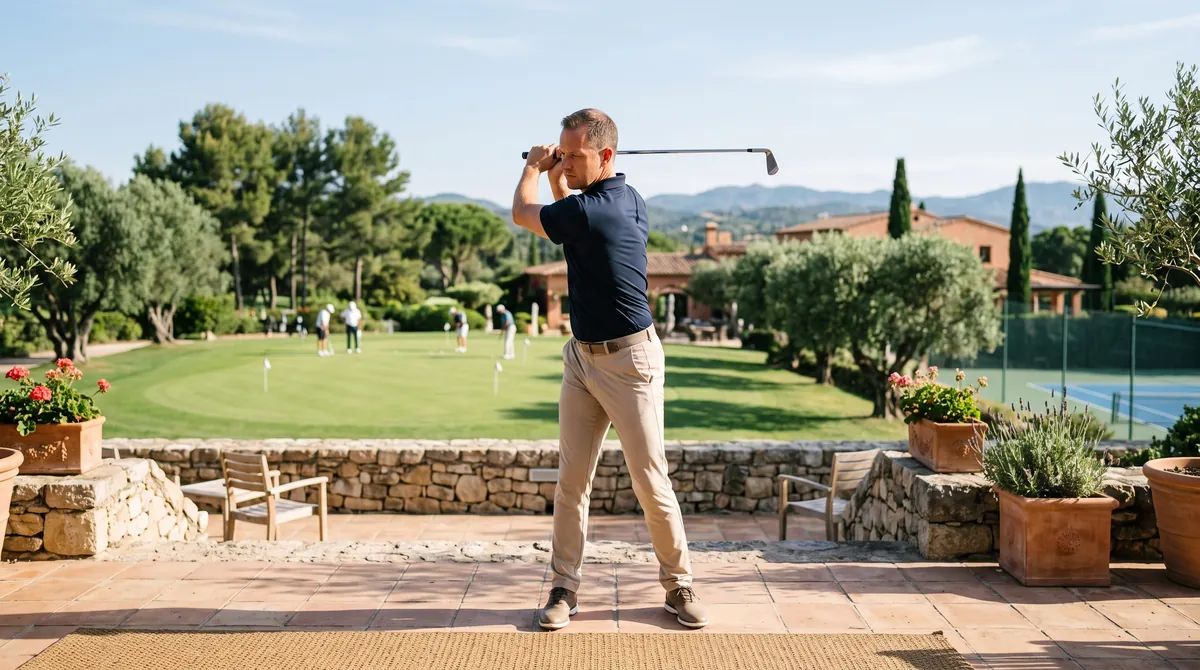
A walking round of golf is long and steady. You may be on your feet for four hours or more, covering several kilometres, carrying or pushing a bag and repeating the same rotation dozens of times. Afterwards the feet, lower back and hips usually feel it most, so give them extra attention in the cool down and on the easy day that follows. Comfortable shoes and fresh socks for the drive home help more than you might expect.
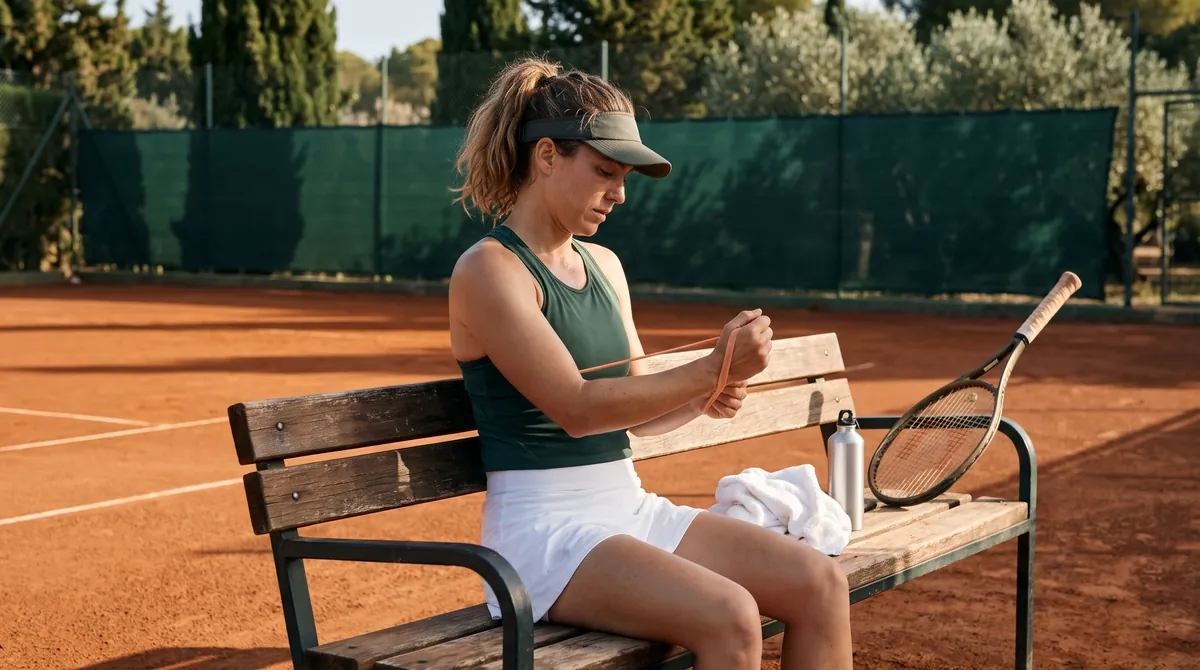
Padel and tennis are shorter but more intense, full of sprints, sudden stops and changes of direction. The calves, thighs, shoulders and forearms tend to take the strain. After a hard match, spend a little more time walking before you stop, stretch the calves and the front of the hips, and look after your hitting arm with gentle forearm stretches. In summer heat, all three games demand more water and shade than you think.
Plan your week, and know soreness from pain
Recovery is not only about the hours after a match. It is also about how you arrange your across the week. If you play three or four times a week, try to put easier days between the hard ones and avoid two very demanding sessions in a row where you can. Increase the total amount gradually, particularly when you take up a new sport or come back after a break.
- Alternate a hard match with an easy session, a round of golf or a rest day.
- Keep at least one day a week genuinely easy.
- Fit strength training on days when you are not playing hard.
- Take care before holidays and camps, where daily play can arrive suddenly.
Muscle soreness after unaccustomed effort is normal. usually peaks a day or two after playing and fades within a few days, and gentle movement tends to ease it. Pain is different. Sharp or localised pain, pain in a joint, swelling, or anything that gets worse instead of better is a reason to stop and see a doctor or physiotherapist.
Terms in this article
- Cool down
- Five to ten minutes of easy movement and light stretching after play to let breathing and heart rate settle.
- Active recovery
- Light activity such as walking, cycling or swimming on the day after hard exercise, kept at an easy effort.
- Foam rolling
- Rolling slowly over muscles on a firm foam cylinder with moderate pressure to feel looser after exercise.
- Training load
- The total amount and intensity of your playing and training over a period, usually considered week by week.
- Delayed onset muscle soreness
- Muscle stiffness that appears after unaccustomed exercise, usually peaking a day or two later and fading within days.
Questions readers ask
Do I need special recovery drinks or supplements?
For most healthy recreational players, no. Water during and after play, and a normal balanced meal with protein, carbohydrates and vegetables within a few hours, cover what the body needs. Ordinary food contains the salt you lose in sweat. On very hot days simply drink more water and eat a proper meal. Good sleep matters more than anything you could add to it.
Is it fine to play two days in a row?
Many players do, especially at weekends, and it is usually fine when your body is used to it. Try to make one of the two days easier, such as a relaxed round of golf after a hard tennis match, and sleep well between them. If you feel unusually tired or sore, take the second day as a gentle walk instead. Build up back to back days gradually rather than all at once.